
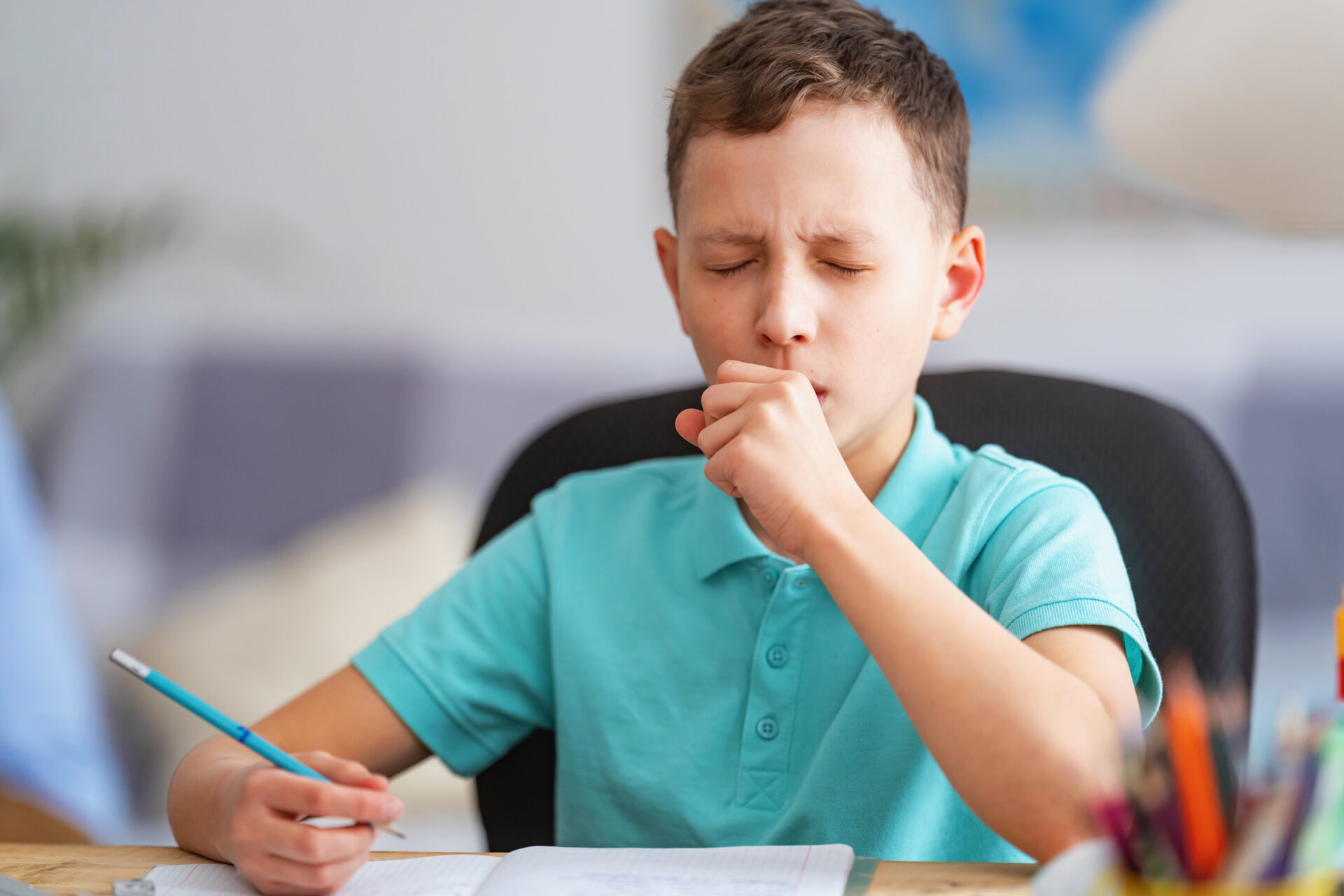
As children head back to school, they are also heading back into classrooms, playgrounds, cafeterias, and other environments where germs can spread quickly. From the common cold to stomach bugs, back-to-school illnesses are a normal part of the school year. Knowing which symptoms to watch for can help parents recognize when a child may need to stay home, receive medical attention, or simply get some extra rest.
What Are the Most Common Back-to-School Illnesses?
Children commonly experience respiratory and stomach illnesses after returning to school. Some of the most frequent include:
- Common colds: Runny or stuffy nose, sneezing, coughing, sore throat, and mild fatigue are typical symptoms.
- Influenza (flu): The flu can cause fever, chills, body aches, fatigue, headache, cough, and sometimes vomiting or diarrhea.
- Strep throat: A sore throat, painful swallowing, fever, swollen lymph nodes, and red or swollen tonsils may be signs of strep throat.
- Stomach viruses: Vomiting, diarrhea, stomach cramps, nausea, and sometimes fever can occur with viral gastroenteritis.
- Pink eye: Redness, itching, irritation, excessive tearing, and discharge from the eye can indicate conjunctivitis.
- Ear infections: Children may experience ear pain, difficulty hearing, irritability, fever, or trouble sleeping.
Because many illnesses share similar symptoms, it is not always possible to determine the cause based on symptoms alone.
When Should Parents Keep a Child Home?
A child who has a fever, is vomiting, has significant diarrhea, or feels too sick to participate comfortably in normal activities may need to stay home from school. Keeping sick children home can also reduce the chance of spreading illness to classmates and teachers.
Parents should follow their child’s school or daycare policies regarding when children can return. If you are unsure whether your child is well enough to return to school, an urgent care provider can help evaluate their symptoms.
When Should You Seek Medical Care?
Many minor illnesses improve with rest, fluids, and time. However, some symptoms warrant an evaluation by a healthcare professional.
Consider seeking medical care if your child has a persistent or high fever, severe or worsening pain, difficulty swallowing, symptoms that are not improving, signs of dehydration, or difficulty breathing. Children with concerning symptoms should be evaluated promptly.
For some conditions, such as strep throat or influenza, testing may be recommended to help determine the appropriate treatment.
How Can Parents Help Prevent Back-to-School Illnesses?
Good everyday habits can help reduce the spread of germs. Encourage children to wash their hands regularly with soap and water, cover coughs and sneezes, avoid sharing drinks or utensils, and avoid touching their eyes, nose, and mouth.
Keeping children up to date on recommended vaccinations is another important way to protect them from preventable illnesses. Adequate sleep, a balanced diet, and good hydration can also support overall health throughout the school year.
Get Care When Your Child Needs It
Back-to-school illnesses are common, but parents do not have to navigate unfamiliar symptoms alone. If your child becomes sick and you are unsure whether they need medical attention, an urgent care provider can evaluate their symptoms and recommend appropriate next steps.
MedNow Urgent Care provides convenient medical care for children and families when illness strikes, including outside traditional primary care hours. When your child needs care, MedNow can help you get them feeling better and back to their routine.